Why Offshore Operators in Angola Need a Husbandry Agent, Not Just a Port Agent
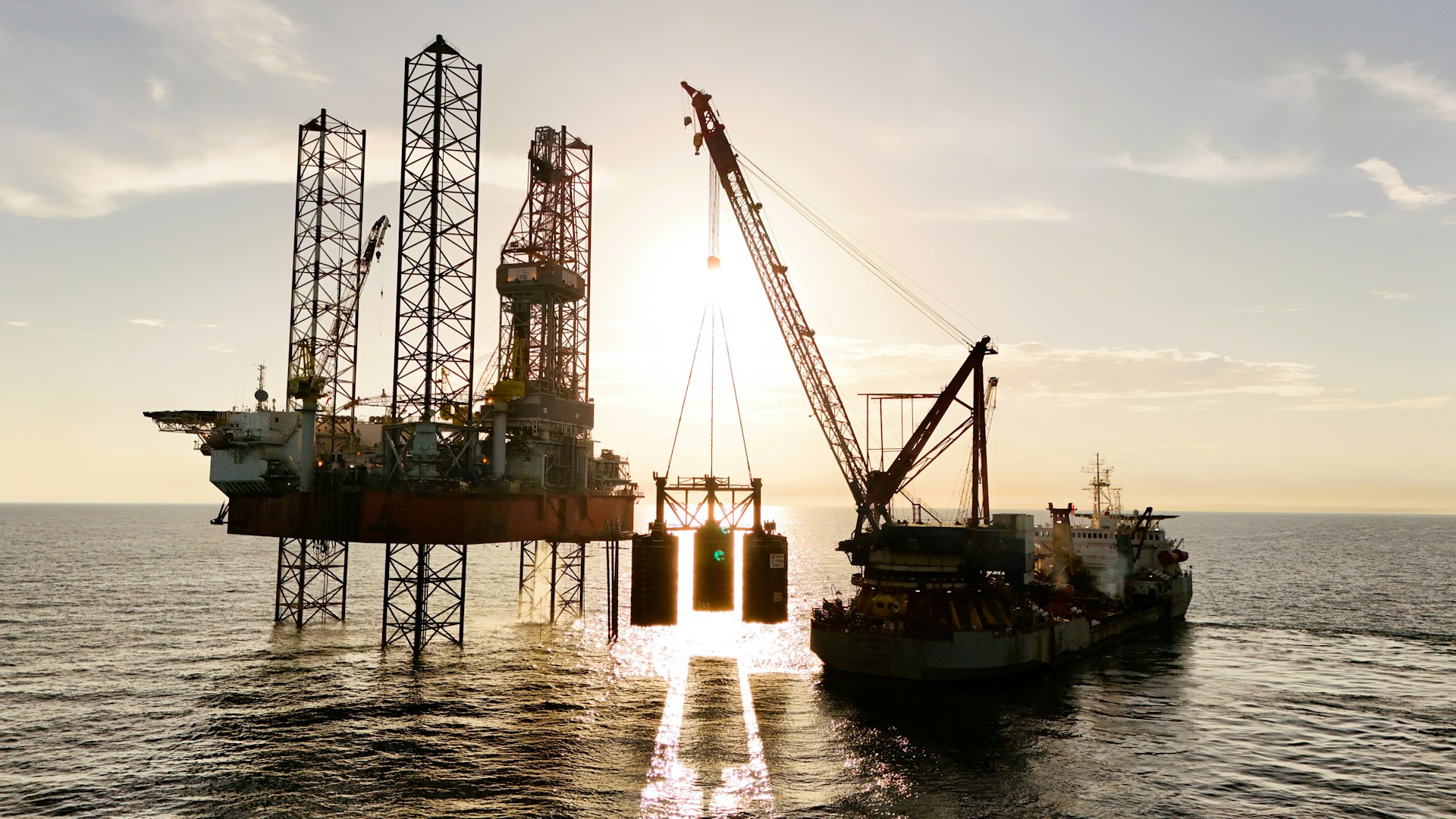
FPSOs, drilling units and offshore support vessels rarely touch a quay. They sit on station for months, sometimes years, which means the usual playbook for port agency, berth coordination, cargo documentation, does not really apply. What these units need instead is husbandry: the ongoing, unglamorous logistics that keep a crew fed, paid, supplied and legally present in the country, without the unit ever coming alongside.
Husbandry is a different job to port agency
A conventional port agent's work is largely episodic, tied to a single call from arrival to departure. Husbandry work for an offshore unit is continuous. Crew rotate on a schedule that has nothing to do with vessel movements. Spares need to clear customs and reach a supply base before they can be delivered offshore. Visas and work permits need renewing on their own timeline. None of this maps neatly onto a "port call," which is exactly why offshore operators are often underserved by agents whose systems are built around berthing and cargo.
What good husbandry actually covers
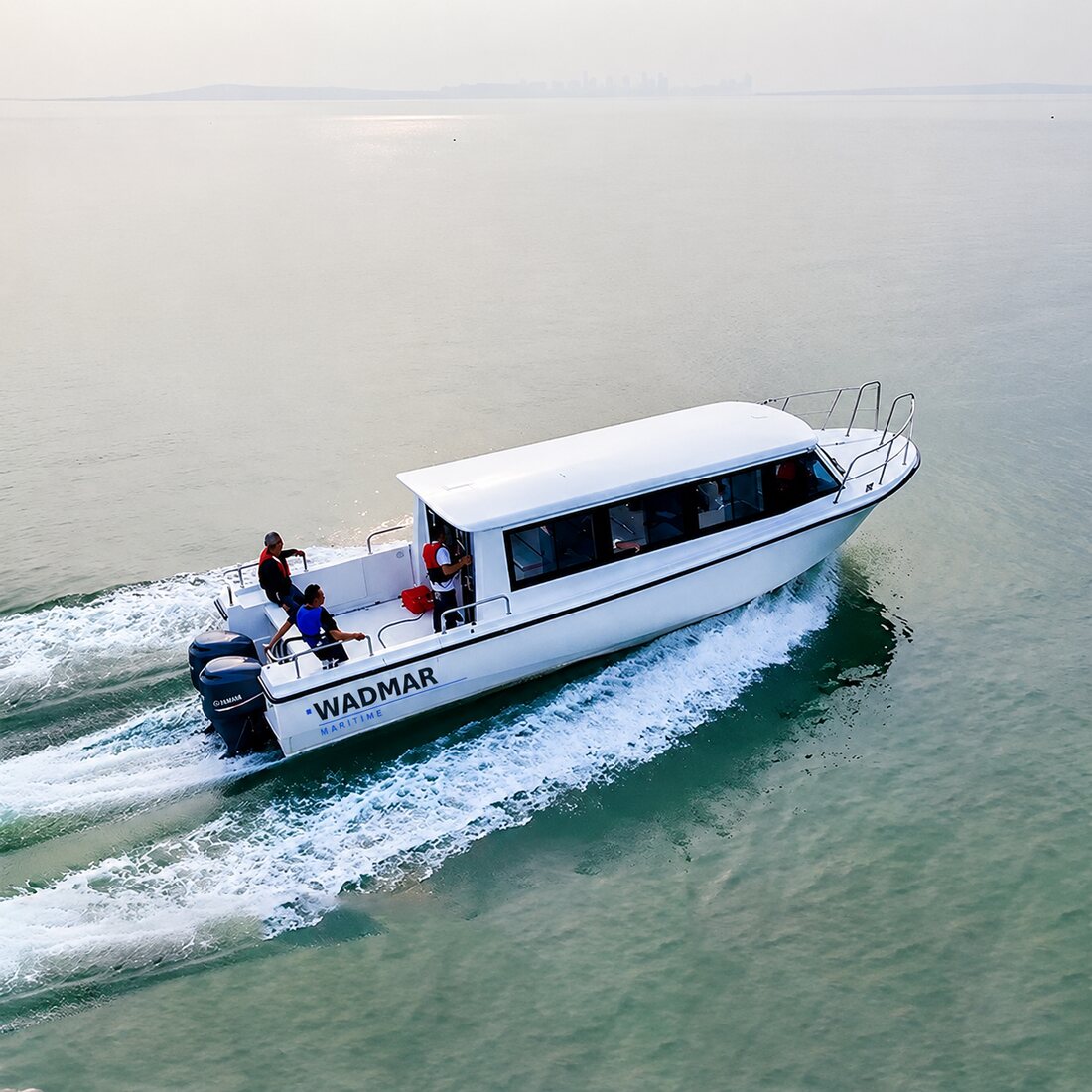
Crew logistics: meet and greet, immigration handling, hotel and transport between the airport and the operational base, and coordinating the physical transfer offshore, usually with the operator's own launch or supply vessel.
Spares and supplies: customs clearance for parts in transit and coordination with logistics bases so shipments actually reach the vessel rather than sitting in a warehouse.
Terminal and STS coordination: for export tankers loading at offshore terminals, documentation and communication with terminal operators, plus attendance at ship-to-ship transfers.
Emergency response: medical evacuations and urgent crew changes do not wait for business hours, and neither should the agent handling them.
Why local certification and ownership structure matter
In Angola specifically, ANPG certification and local content compliance are not just paperwork exercises, they affect whether a contractor can legally support certain operations at all. An agency that is Angolan-owned and ANPG-certified removes a layer of risk for operators who need to demonstrate local content compliance to their own regulators and partners.
The practical test
If your current agent's first question is always "what berth are you at," rather than "who needs to rotate off this week," you are probably working with a port agent trying to do a husbandry agent's job. The two skill sets overlap, but they are not the same, and offshore operations in Angola tend to run more smoothly with a partner who treats husbandry as the core service, not an add-on.
Latest Blog
Angola's Ports at a Glance: Luanda, Lobito, Soyo a...
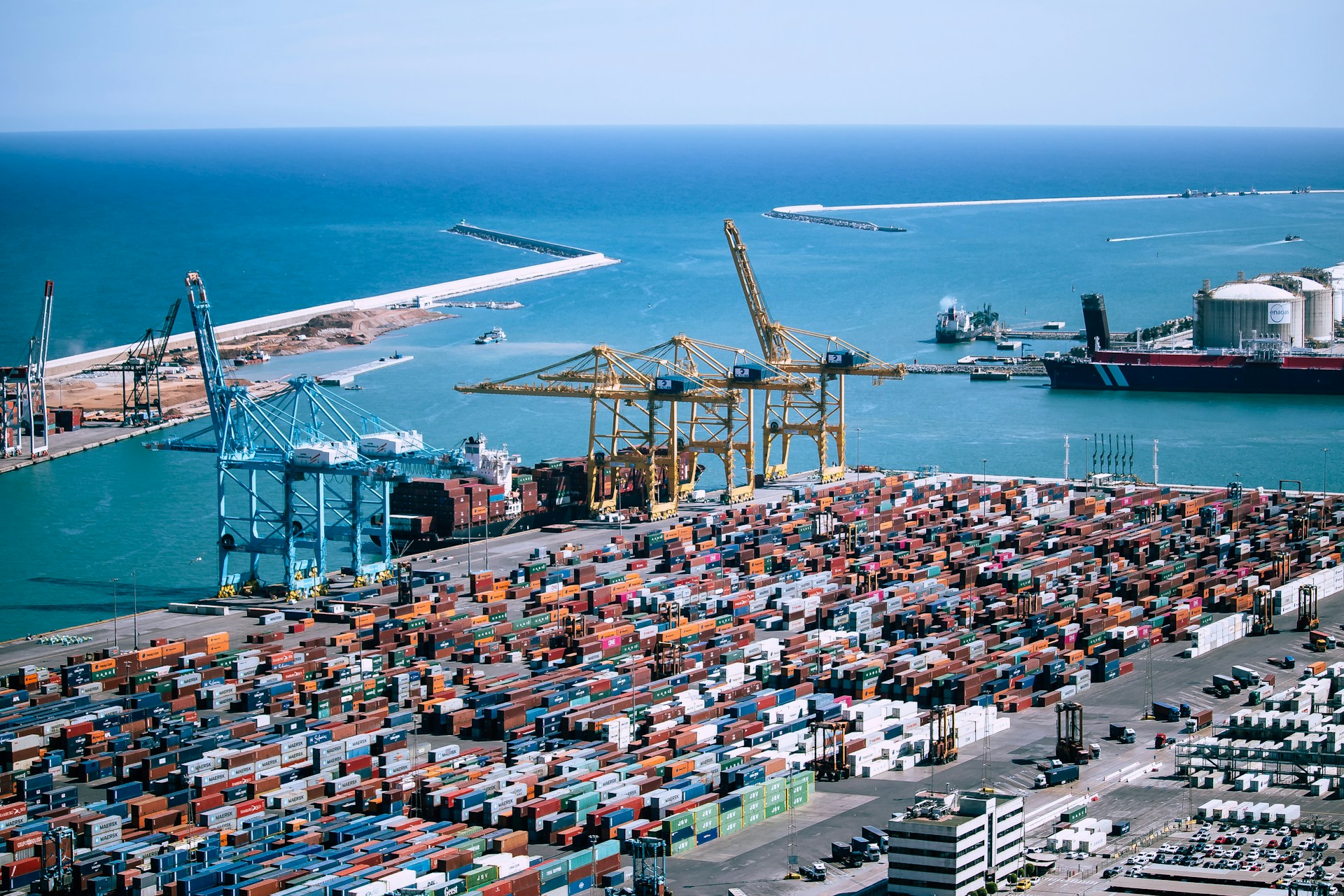
Angola has one of the longest coastlines in West Africa, and its ports reflect very different trades...
Crew Changes in Angola: Why Owning the Launch Boat...
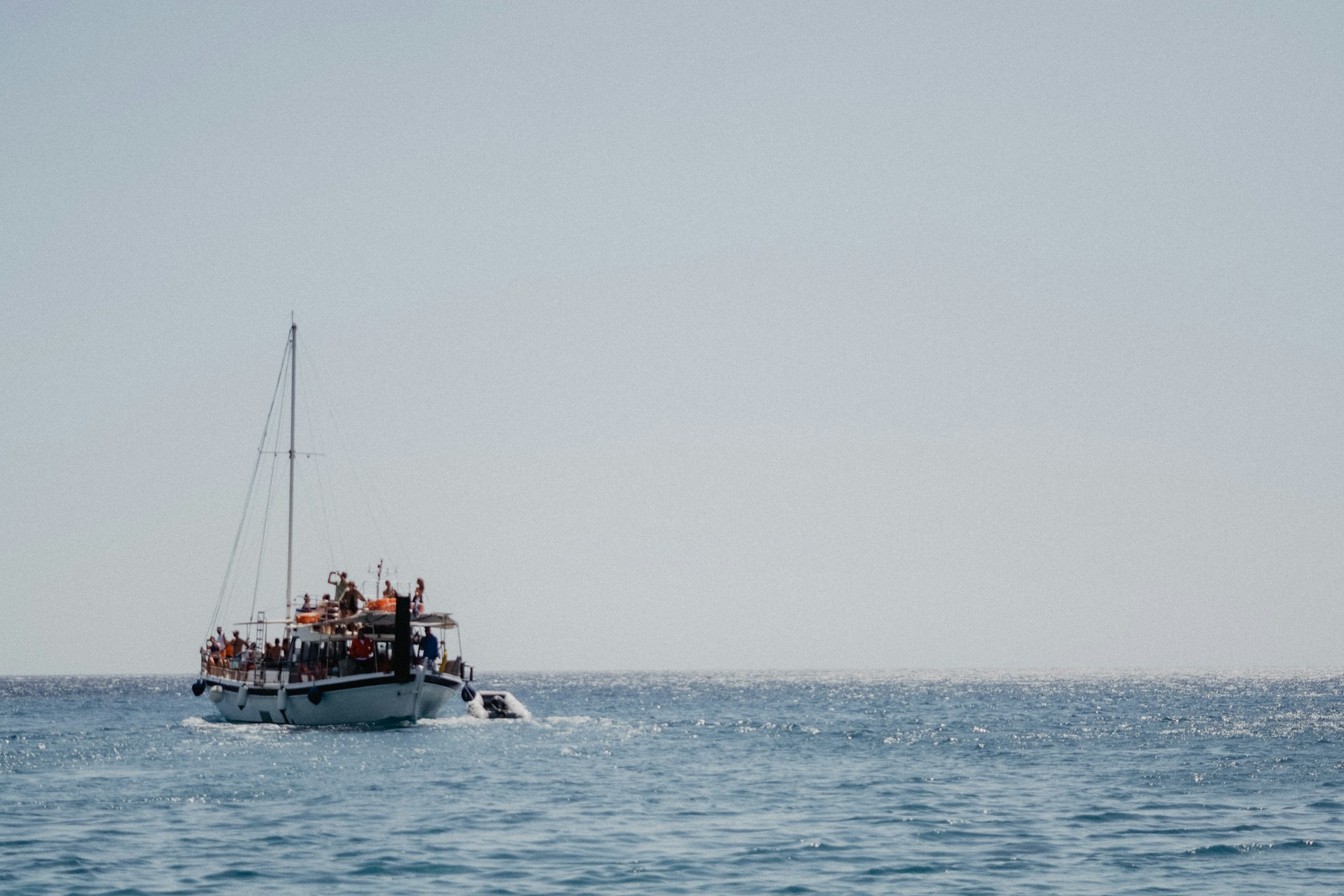
Ask any owner who has managed a crew change at anchorage in West Africa, and they will tell you the...
Why Offshore Operators in Angola Need a Husbandry...
FPSOs, drilling units and offshore support vessels rarely touch a quay. They sit on station for mont...
How Ship Agency Works in Angola: A Practical Guide...
If you have never called an Angolan port before, the process can feel opaque. Who do you nominate? W...