Port Technical Data
01 Max draft alongside
Up to ~13.2 m at high tide at the deepest berths; quay depths generally 10.5–12.5 m. Cabotage terminal 3.5–5.5 m.
General-cargo berths in practice often work to ~9.5 m — confirm the specific berth.
02 Draft by cargo type
Containers ~12.5 m · Dry bulk ~13.5 m · Passenger/ferry ~3.7 m · Tankers via offshore facilities up to ~19.3 m
03 Berths / quay length
~2,728 m of quay across 7 terminals plus an oil & gas logistics platform (Sonils). Multipurpose, container, dry-bulk, liquid-bulk, Ro-Ro and cabotage berths.
04 Max vessel size
LOA typically to ~210 m at commercial berths; larger tankers handled at offshore/bay facilities.
05 Cargo types handled
Containers, dry & liquid bulk, general/break-bulk, Ro-Ro, project cargo, passengers, offshore supply.
06 Anchorage
Luanda Bay — sheltered natural harbour behind Ilha do Cabo. Anchorage depths 20 m+ with good holding ground and turning area.
07 Tide & time restrictions
Small tidal range (~1.5–2.5 m); weak local winds and currents. Mooring/unmooring at some general-cargo berths is daylight-only. Berthing broadly first-come, first-served; congestion and berth waiting are common.
08 Pilotage
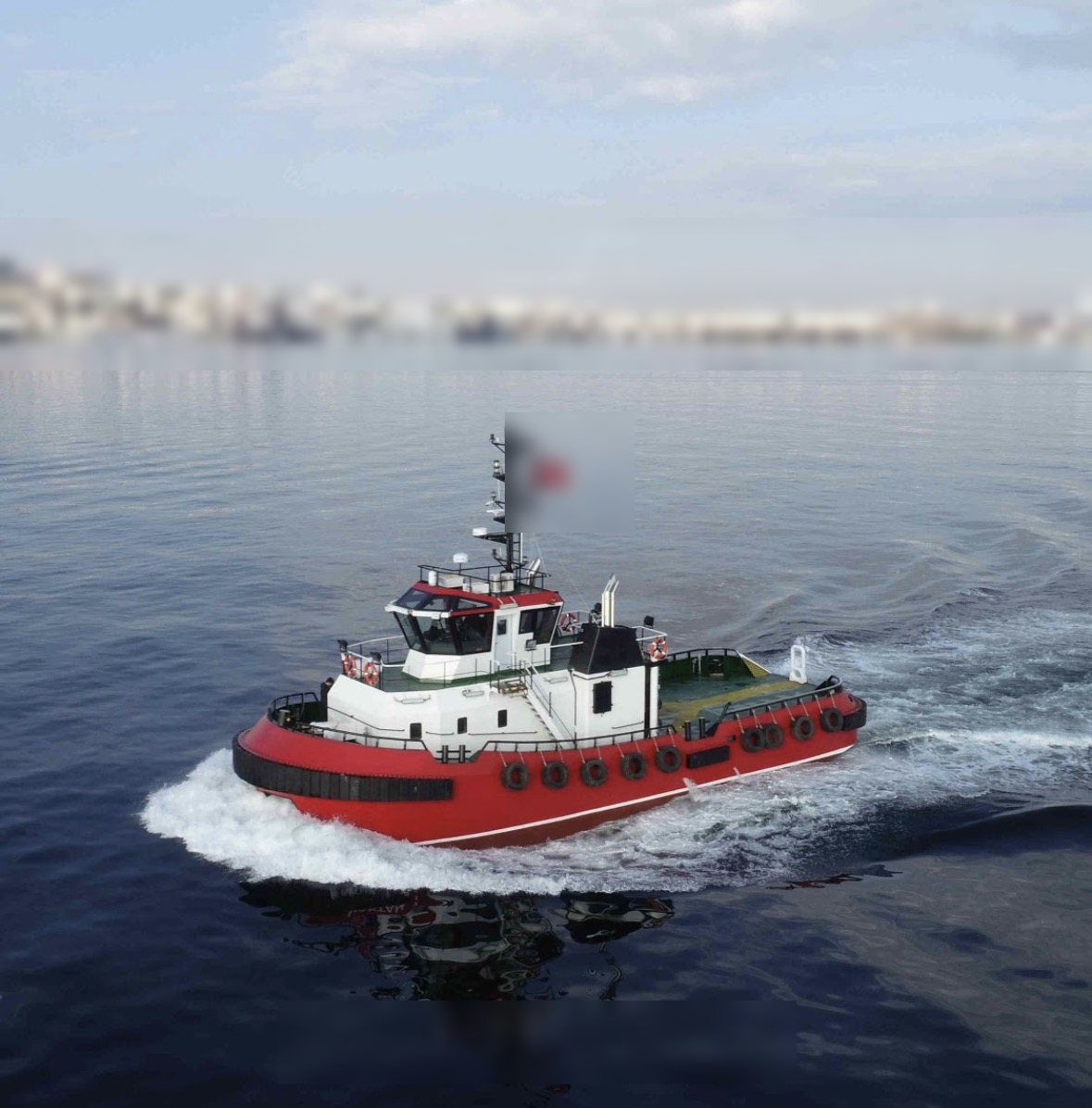
Compulsory for all commercial vessels entering/shifting. Tug assistance available.
09 ISPS
ISPS-compliant port facility. ETA message and standard pre-arrival documentation required.
10 Port authority
Porto de Luanda, E.P.CONFIRM
Verify current switchboard, VHF channels and Harbour Master contact before quoting.
Frequently asked questions
The deepest berths accept vessels up to roughly 13.2 m at high tide, with typical quay depths of 10.5–12.5 m. General-cargo berths often work to around 9.5 m in practice, and the cabotage terminal is shallower (3.5–5.5 m). Confirm the exact figure for your berth and tidal window with the port authority.
Yes. Pilotage is compulsory for all commercial vessels arriving, departing or shifting berth, and tug assistance is available. Wadmar arranges pilotage and towage as part of the agency service.
Containers, dry and liquid bulk, general and break-bulk, Ro-Ro, project cargo, passengers and offshore supply cargo, spread across seven terminals and an oil & gas logistics platform.
Berthing is generally first-come, first-served and waiting time can occur during peak periods. Accurate ETA reporting and complete pre-arrival documentation reduce delay — services Wadmar manages directly for its principals.
Yes, Luanda operates as an ISPS-compliant port facility. Standard pre-arrival security documentation and an ETA message are required, which Wadmar prepares and submits on the vessel's behalf.