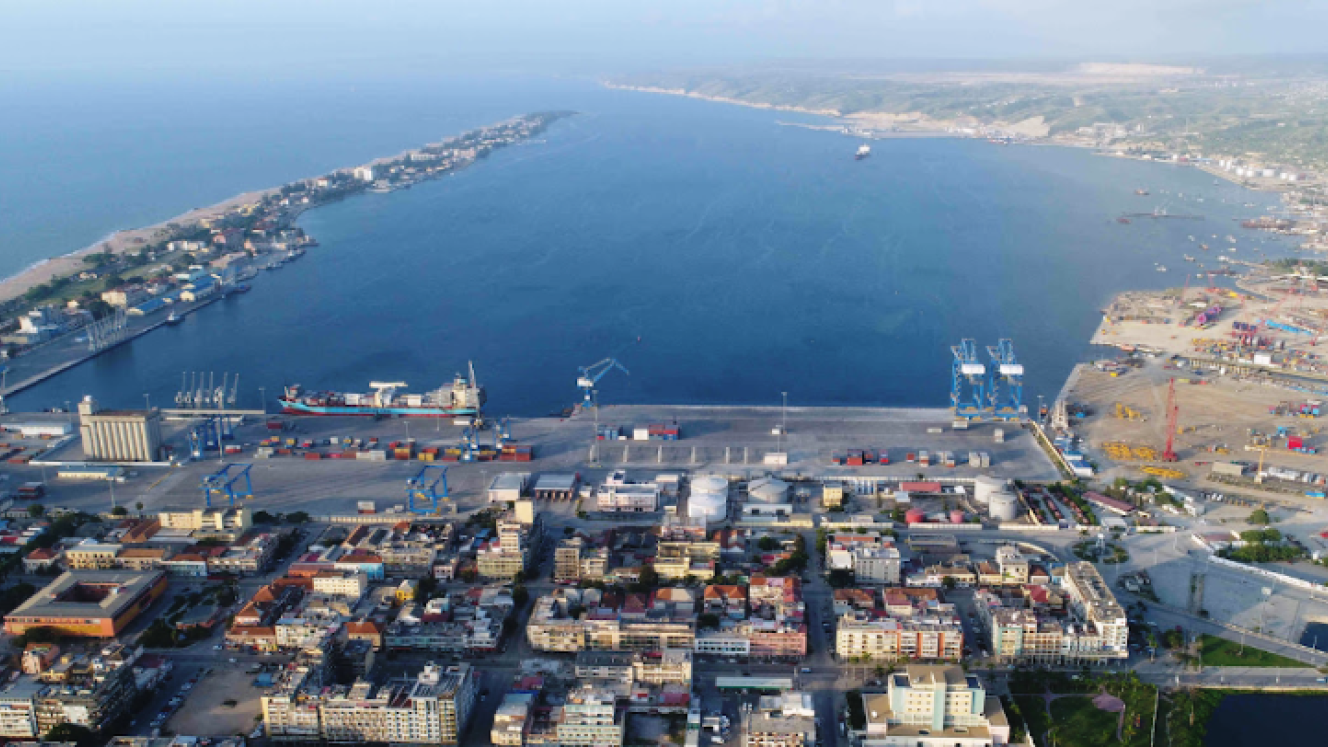
Port Technical Data
01 Max draft alongside
Berth draft generally 9.4–10 m; container
operations to ~11.5 m at the deepest berths.
Operational quayside draft in day-to-day use is
often ~9.5 m — confirm the berth.
02 Draft by cargo type
Containers up to ~11.5 m · Dry bulk / breakbulk ~10.3 m · Tankers up to ~17.0 m
03 Berths / quay length
North quay ~570 m (16 shore cranes), South
quay ~552 m (10 shore cranes), plus a ~150 m
cabotage quay. Five terminal types including a
mineral terminal linked to the Benguela (Lobito
Corridor) railway.
04 Max vessel size
Container LOA up to ~300 m. Lifting capacity
up to ~120 t (mobile crane to ~150 t).
05 Cargo types handled
Containers, dry bulk & minerals (copper,
manganese via the Corridor), general/breakbulk, liquid bulk, project and support cargo.
06 Anchorage
Natural harbour protected by a ~5 km
sandspit. Channel/anchorage depths ~14–15.2
m.
07 Tide & time restrictions
Sheltered bay with minimal swell. Berth
allocation subject to port scheduling; confirm
any daylight or tidal working limits for your
berth.
08 Pilotage
Compulsory. Tug assistance available.
09 ISPS
ISPS-compliant. ETA message and pre-arrival
documentation required.
10 Port authority
Porto do Lobito, E.P.
Verify current contact, VHF channels and Harbour
Master details before quoting
Frequently asked questions
Berth draft is generally 9.4–10 m, with container operations reaching
about 11.5 m at the deepest berths and tanker facilities handling up to
roughly 17.0 m. Day-to-day operational draft is often around 9.5 m.
Confirm the exact figure for your berth with the port authority.
Yes. The port's mineral terminal connects to the Benguela railway (Lobito
Corridor), linking it to the mining regions of the DRC and Zambia, which
makes Lobito central to bulk mineral and transit cargo.
Container vessels of up to around 300 m LOA are handled, subject to
draft and berth availability. Shore cranes provide lifts up to about 120 t,
with a mobile crane rated to roughly 150 t.
Yes, pilotage is compulsory and tug assistance is available. Wadmar's
Lobito branch arranges pilotage, towage and berth coordination locally.
Yes. Wadmar operates a branch office in Lobito alongside its Luanda
head office and Soyo branch, giving principals direct local representation
at the port.